
–––
–––
–––
–––
–––
Choosing the Right Cosmetic Dentistry Option
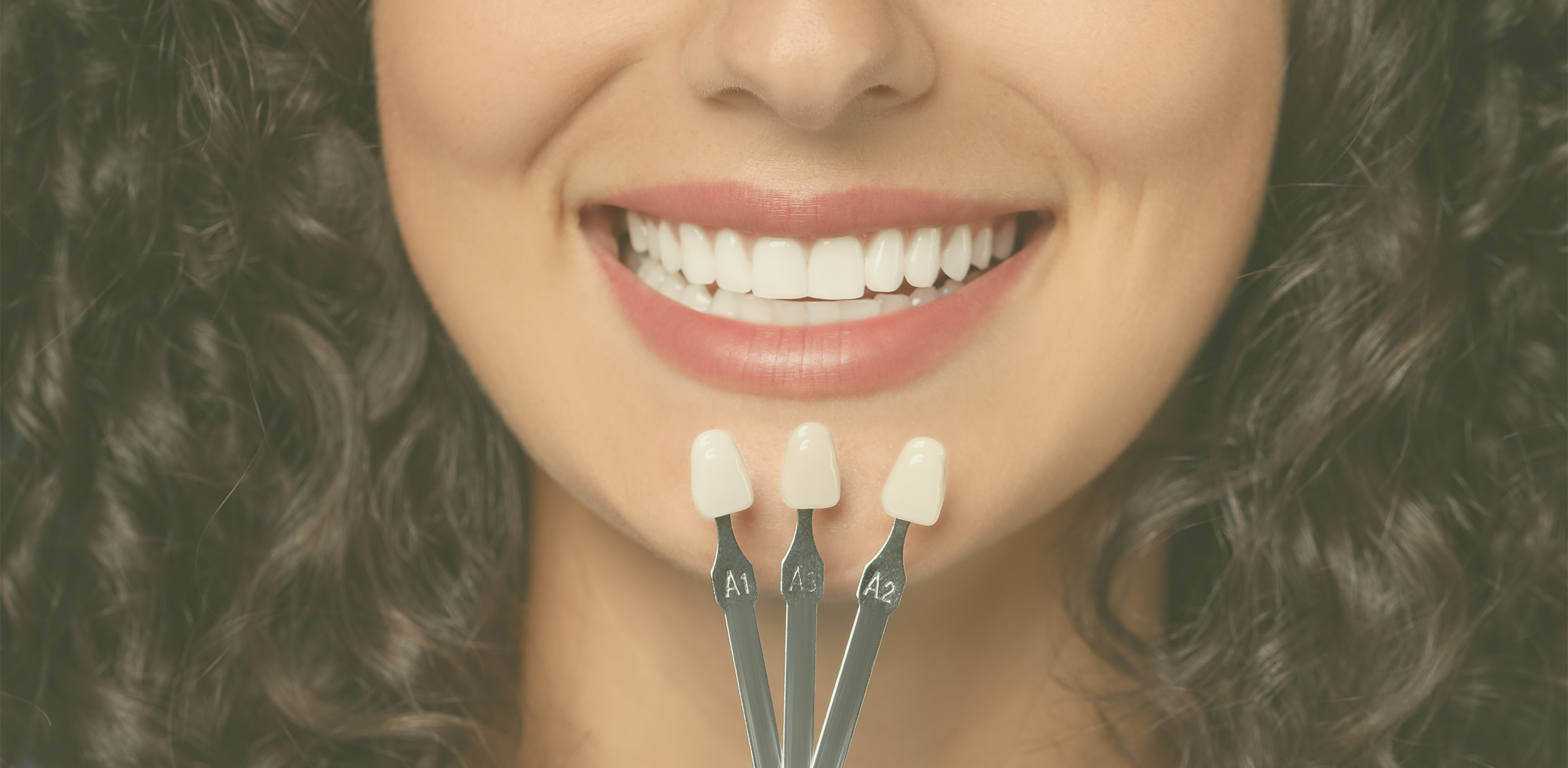
When it comes to cosmetic dentistry, patients often ask: “Which is better, porcelain veneers or composite bonding?” The truth is, there’s no single “best” solution. The right choice depends on your teeth, your goals, and your lifestyle. Here’s a clear guide to help you understand these popular treatments.
Composite bonding is a minimally invasive, cost-effective dental solution for repairing small imperfections. Using a tooth-colored resin, dentists can fix:
Why patients love it:
What to know:
Composite bonding isn’t permanent. It can stain over time, chip, and may need touch-ups every few years. But it’s a flexible, natural-looking way to improve your smile without committing to irreversible treatment.
Here’s how composite bonding works:
The entire process can often be completed in under an hour for a single tooth.
Composite veneers are custom-made coverings for the front surface of teeth, using the same resin as bonding but on a larger scale. They’re ideal for more significant cosmetic concerns, such as:
Pros: Less expensive than porcelain veneers, can transform your smile dramatically.
Cons: Still prone to staining and wear, may require multiple visits, and need regular maintenance.
Porcelain veneers are often seen as the “gold standard” in cosmetic dentistry. These thin, custom-made ceramic shells are attached to the front of teeth to:
Benefits:
Drawbacks:
Porcelain veneers are excellent for total smile makeovers or for older restorations that need long-lasting, low-maintenance results.
The decision between composite bonding, composite veneers, and porcelain veneers depends on:
Front teeth repair is often the main driver of these decisions. A small chip in a young adult? Composite bonding is ideal. Multiple discolored teeth in someone seeking a long-term solution? Porcelain veneers may be the better choice.
Ultimately, the “cheaper” option depends on your goals and how long you plan to keep the restorations.
Composite bonding typically lasts 3–10 years, depending on:
Porcelain veneers can last 15–20 years with proper care, resisting stains and daily wear.
There’s no universal “best” cosmetic dental treatment. The right choice is personalized.
Cosmetic dentistry isn’t magic. It’s a partnership between you and your dentist to create a healthy, confident smile that lasts. Forget the filtered smiles online and focus on a real solution that fits your mouth, your lifestyle, and your long-term dental health.