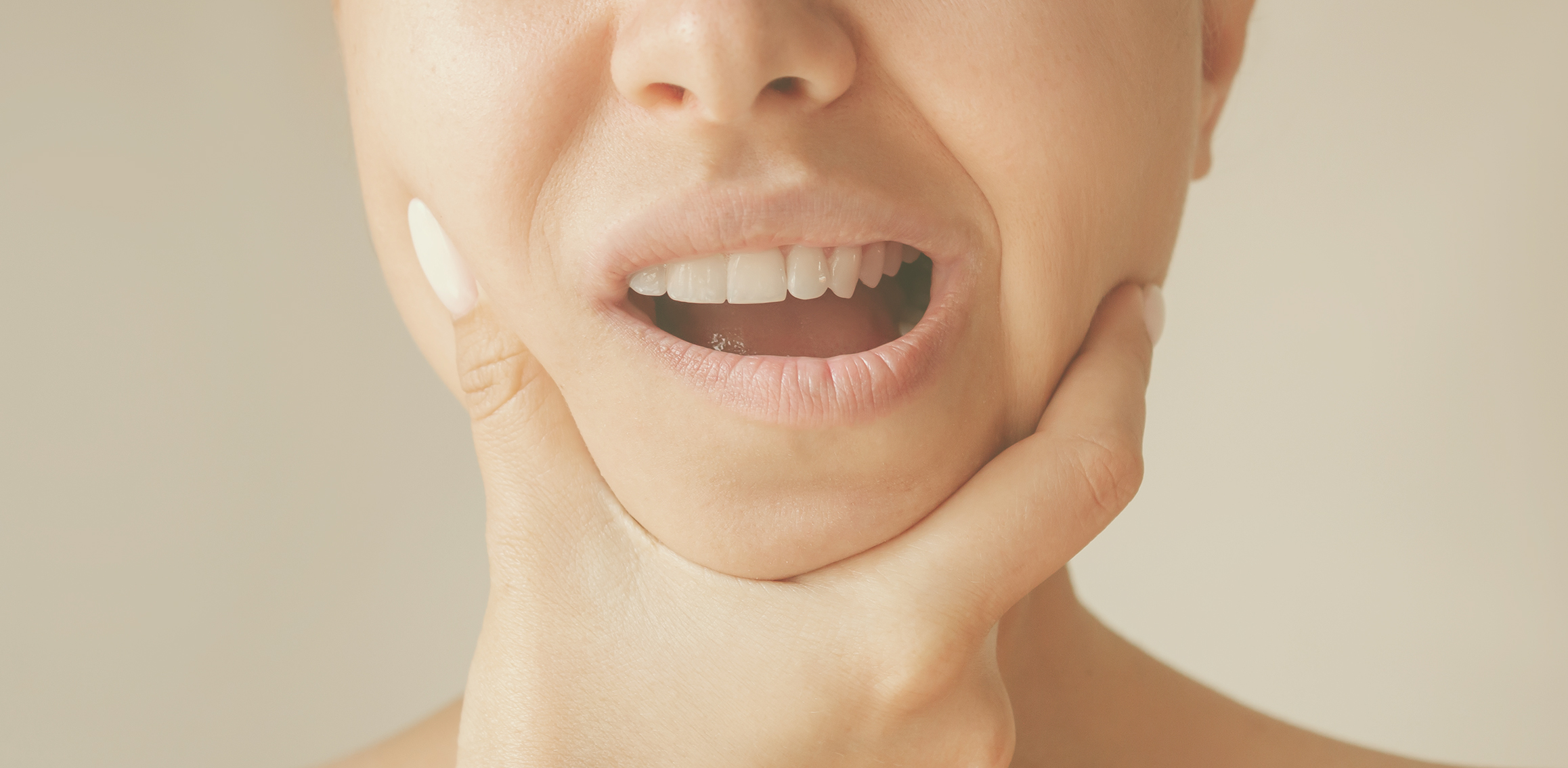
Jaw Clicking and Pain: A Guide to TMJ Disorders

A Guide to TMJ Disorders

Key Takeaways

  • What it is: Temporomandibular Joint (TMJ) disorders affect the sliding hinge connecting the jaw to the skull, causing pain, clicking, or jaw locking.
  • Main Causes: The condition often results from a combination of factors, including teeth grinding (bruxism), arthritis, physical trauma, and stress-related muscle tension.
  • Diagnosis: Evaluation involves a physical exam and medical history, sometimes supplemented with imaging like MRI or X-ray to check the joint's structure.
  • Treatment Spectrum: Care ranges from simple home remedies (night guards, soft diets, ice packs) to specialized medical interventions (physical therapy, medication, injections, and, rarely, surgery).

Jaw pain or that noticeable clicking sound when you move your mouth might signal a temporomandibular joint (TMJ) disorder (TMD). The TMJ is crucial for speaking, chewing, and yawning comfortably. When this "sliding hinge" isn't functioning correctly, even routine movements can become painful or feel misaligned. Affecting millions, TMD is often undertreated. This guide explores the common causes of these symptoms, the diagnostic process, and the available treatment options, from easy self-care to advanced medical approaches.

Common Causes of TMD

TMJ disorders are typically multifaceted, stemming from physical stresses and various underlying health issues. Common factors contributing to jaw pain and clicking include:

  • Bruxism (Teeth Grinding/Clenching): Unconscious grinding, especially during sleep or high-stress periods, strains the joint and wears down teeth. Similarly, jaw clenching builds up tension in surrounding muscles.
  • Trauma: A direct blow to the jaw or face can immediately disrupt joint function.
  • Arthritis: Conditions like osteoarthritis and rheumatoid arthritis can cause damage to the joint's protective cartilage.
  • Misaligned Bite: Structural issues with the teeth or jaw can throw off the natural balance of the TMJ.
  • Stress and Muscle Tension: Emotional stress frequently manifests as tension, particularly in the jaw muscles.

The characteristic "click" or "pop" often occurs because the cartilage disc within the joint momentarily shifts out of its correct position. Severe TMD can lead to pain radiating to the temples, ears, or neck, and may also be associated with tinnitus (ringing in the ears), dizziness, or headaches.

When to Seek Professional Help and Diagnosis

If persistent jaw pain or clicking does not resolve on its own, a medical or dental evaluation is advisable. Diagnosis typically begins with a thorough history and physical exam where the provider will inquire about:

  • The intensity and timing of your pain.
  • Habits such as chewing gum or clenching.
  • Any history of arthritis or facial injury.
  • Accompanying symptoms like difficulty chewing or earaches.

In some cases, advanced imaging is necessary. An MRI can provide detailed visualization of the soft tissue disc, while panoramic dental X-rays help identify structural problems or rule out other sources of facial pain.

Consult a healthcare provider if you experience:

  • Jaw pain that continues for more than two weeks.
  • Trouble fully opening your mouth, speaking, or eating.
  • A persistent "locked" jaw.
  • Pain that spreads to your neck, head, or ears.

Early diagnosis is key to preventing long-term complications and often allows for more conservative treatment strategies.

Effective At-Home Relief for Mild Symptoms

Many mild TMJ symptoms respond well to simple self-care and minor lifestyle adjustments:

  • Rest the Jaw: Avoid wide yawning, hard foods, or chewing gum. Switch to a soft diet of cooked, mashed, or blended foods to reduce strain.
  • Temperature Therapy: Apply cold compresses or ice packs to the side of the face for 10-minute intervals to alleviate muscle tightness.
  • Pain Management: Use over-the-counter NSAIDs (e.g., ibuprofen, 400–600 mg every 6–8 hours) or acetaminophen (500–1000 mg every 6 hours) to reduce inflammation and pain.
  • Relaxation: Practice gentle jaw stretches, meditation, or guided breathing techniques to release stress-induced tension.
  • Night Guard: If nighttime grinding is suspected, a custom-fitted night guard from your dentist can protect your teeth and cushion the joint.

These self-care measures essentially give the over-stressed jaw muscles and joints a necessary period of rest and recovery.

Professional Medical Interventions

If home care proves insufficient, a physician or dentist may recommend targeted therapies aimed at the underlying cause as well as the symptoms:

Nonpharmacologic Treatment

  • Patient Education: Understanding proper jaw posture and behavior modification techniques is a powerful tool for managing TMD.
  • Physical Therapy: This involves exercises to improve jaw mobility, soft tissue massage, and training for better overall posture.
  • Cognitive Behavioral Therapy (CBT): Especially helpful when stress or anxiety are major contributors to jaw tension.

Medications

  • Muscle Relaxants and Anti-inflammatories: Used short-term (e.g., cyclobenzaprine or NSAIDs) for acute pain flare-ups.
  • Antidepressants (Tricyclics): Prescribed in low doses for managing chronic TMJ pain.
  • Gabapentin: An option considered when nerve pain is believed to be a contributing factor.

Advanced Procedures

  • Injections: Therapies like platelet-rich plasma (PRP), sodium hyaluronate, or dextrose prolotherapy show potential for reducing inflammation and boosting joint mobility.
  • Surgery: This is reserved for the most severe, unresponsive cases, typically involving joint degeneration or persistent locking.

For complex cases, the best results are often achieved through multidisciplinary care, involving collaboration among dentists, physical therapists, and pain specialists.

The Connection Between TMJ and Systemic Health

In certain patient populations, notably adolescents and children, TMJ disorders can be linked to broader systemic diseases, such as juvenile idiopathic arthritis (JIA). In these instances, the treatment plan must simultaneously address the underlying systemic condition and the joint itself. A care team including rheumatologists, dentists, and physical therapists is essential for comprehensive management of both the jaw and overall health.

In Conclusion

More than just a nuisance, jaw clicking and pain can signal a TMJ disorder that requires attention. Identifying the root cause, be it arthritis, stress, or nighttime grinding, is crucial for choosing the most effective treatment. For the majority of individuals, conservative care offers substantial relief. For chronic or severe symptoms, a team-based approach combining dental care, physical therapy, and medication provides the most effective long-term solution. If your jaw isn't moving right, don't wait, consult your dentist or doctor to discuss your options.

Blogs Blogs Blogs Blogs